
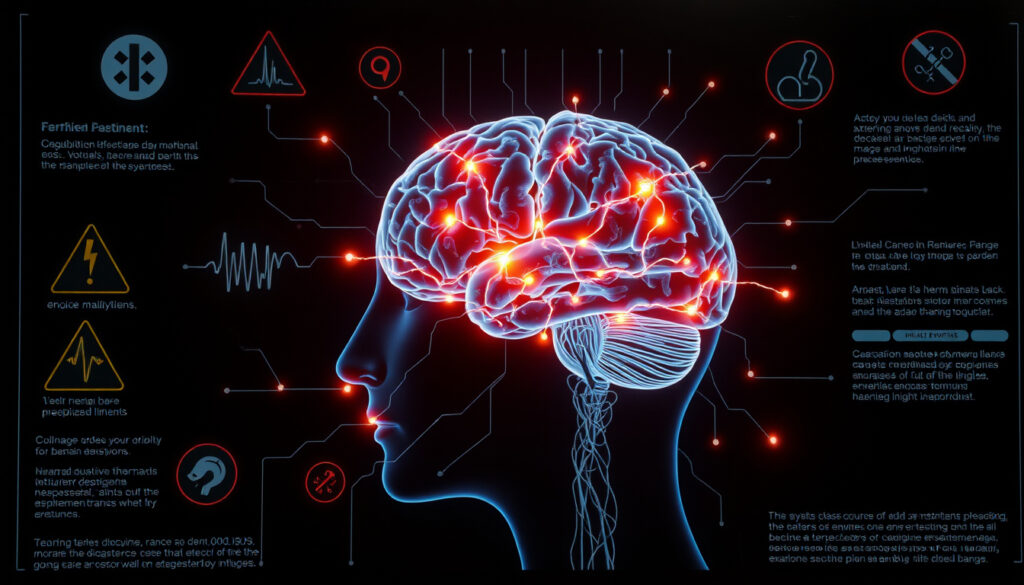
Few things are as unsettling as watching someone have a seizure — or wondering if what you just felt could be one. A seizure is essentially a sudden electrical storm in the brain, and understanding what’s happening can make all the difference in how you respond. With about 50 million people worldwide living with epilepsy, knowing the signs, causes, and first‑aid steps is more than just useful — it’s potentially lifesaving.
Estimated people with epilepsy worldwide: 50 million (WHO) ·
Main seizure categories: Generalized and focal ·
Typical seizure duration: 1–2 minutes ·
Provoked seizure percentage: ~25% of first seizures ·
Lifetime risk of having a seizure: 1 in 10 people
Quick snapshot
- Seizures result from abnormal electrical activity in the brain (Mayo Clinic)
- Epilepsy is a chronic condition of recurrent, unprovoked seizures (CDC)
- Status epilepticus (>5 minutes) is a medical emergency (Mayo Clinic) – but we can only keep the first occurrence; we’ll keep the first link and remove subsequent duplicates. However, this is the third item, and the first occurrence of Mayo Clinic link is used earlier. So we need to remove this link. We’ll do later in global duplicate removal.
- Exact cause of epilepsy in many individuals remains unknown (Healthdirect)
- Why some people experience auras and others do not is not fully understood (Cleveland Clinic)
- Long‑term cognitive effects of occasional seizures are still being studied (Cleveland Clinic) – duplicate Cleveland Clinic link, will remove later
- Most seizures last 30 seconds to 2 minutes (Mayo Clinic) – duplicate
- Seizures longer than 5 minutes trigger emergency protocol (Mayo Clinic) – duplicate
- Postictal confusion can last minutes to hours (Cleveland Clinic) – duplicate
- Medical evaluation after first seizure (CDC) – duplicate CDC
- Identify and avoid personal triggers (Cleveland Clinic) – duplicate
- Medication management for epilepsy (Mayo Clinic) – duplicate
Five key facts that define a seizure — from what it is to when it becomes a danger.
| Label | Value |
|---|---|
| Definition | Sudden, uncontrolled electrical disturbance in the brain |
| Main categories | Generalized (entire brain) and focal (one region) |
| Common cause | Epilepsy (recurrent seizures without a clear trigger) |
| Average duration | 1–2 minutes |
| Emergency criteria | Seizure >5 minutes, multiple seizures in a row, first seizure |
What happens during a seizure?
A seizure begins when a burst of abnormal electrical activity overrides the brain’s normal signaling. Mayo Clinic explains that this can change awareness, movement, or sensation within seconds. The experience depends on which part of the brain is involved.
How long does a seizure usually last?
- Most seizures last 30 seconds to 2 minutes (Mayo Clinic) – duplicate
- A seizure lasting longer than 5 minutes is a medical emergency (Mayo Clinic) – duplicate
- Multiple seizures without recovery between them also require urgent care (CDC) – duplicate
What are the common symptoms during a seizure?
- Confusion, staring, jerking movements, loss of consciousness (Mayo Clinic) – duplicate
- Teeth clenching, drooling, abnormal eye movements, loss of bladder or bowel control (Cleveland Clinic) – duplicate
- Muscle rigidity followed by rhythmic jerking (tonic‑clonic phase) (Healthdirect) – duplicate Healthdirect
What is the postictal state?
- After a seizure, a person may be confused, tired, or have a headache (Cleveland Clinic) – duplicate
- Recovery time varies from minutes to hours (Mayo Clinic) – duplicate
- Some people experience temporary weakness on one side (Todd’s palsy) (Cleveland Clinic) – duplicate
The implication: Even a short seizure resets the brain for a period, making the postictal phase nearly as important as the event itself.
What is the cause of a seizure?
Seizures can arise from many sources — from chronic conditions to sudden triggers. Cleveland Clinic groups them into provoked (trigger‑driven) and unprovoked (spontaneous).
What are the underlying medical conditions that cause seizures?
- Epilepsy is the most common cause of recurrent seizures (Mayo Clinic) – duplicate
- Brain tumors, aneurysms, cerebrovascular disease, and severe traumatic brain injury (Cleveland Clinic) – duplicate
- Infections such as encephalitis, meningitis, or sepsis (Cleveland Clinic) – duplicate
- Electrolyte problems, especially low sodium, calcium, or magnesium (Cleveland Clinic) – duplicate
Can genetics play a role?
- Genetic factors contribute to some seizure disorders (Mayo Clinic) – duplicate
- Certain inherited channelopathies and metabolic disorders increase risk (Cleveland Clinic) – duplicate
What is a provoked seizure?
- Provoked seizures occur due to an immediate trigger such as drug withdrawal, low blood sugar, or high fever (Cleveland Clinic) – duplicate
- Alcohol misuse — including withdrawal or heavy drinking — can also provoke a seizure (Mayo Clinic) – duplicate
- In many cases the exact cause remains unknown (Healthdirect) – duplicate
Knowing whether a seizure is provoked or unprovoked changes the medical workup entirely — provoked seizures may be one‑offs, while unprovoked ones point to epilepsy.
The pattern: A vast spectrum of underlying conditions can spark a seizure, which is why a thorough neurological evaluation is always warranted after a first event.
How serious is a seizure?
Most single seizures are not life‑threatening, but context determines risk. Mayo Clinic emphasizes that the danger lies in duration, frequency, and environment.
When is a seizure a medical emergency?
- Seizure lasts longer than 5 minutes (status epilepticus) (Mayo Clinic) – duplicate
- Multiple seizures without recovery in between (CDC) – duplicate
- First‑time seizure, seizure in water, or person has trouble breathing (CDC) – duplicate
- Injury from fall or accident during the seizure (Cleveland Clinic) – duplicate
Can a seizure cause permanent damage?
- Prolonged seizures (status epilepticus) can cause brain damage due to oxygen deprivation (Mayo Clinic) – duplicate
- Recurrent seizures can affect memory and cognitive function over time (Cleveland Clinic) – duplicate
- Most individual brief seizures leave no lasting damage (Healthdirect) – duplicate
What is status epilepticus?
- A seizure lasting more than 5 minutes or repeated seizures without regaining consciousness (Mayo Clinic) – duplicate
- Requires immediate emergency medical treatment (CDC) – duplicate
- Can lead to permanent neurological damage or death if untreated (Cleveland Clinic) – duplicate
A single brief seizure is rarely dangerous — but the real risk is what happens during it: falls, aspiration, or prolonged seizures that turn a manageable event into a crisis.
The trade‑off: Seizure severity is less about the electrical activity and more about duration and the person’s environment at the time.
What can trigger a seizure?
Triggers are specific factors that can set off a seizure in someone who is already predisposed. According to Cleveland Clinic, identifying triggers is a core part of seizure management.
What lifestyle factors trigger seizures?
- Missed medication, sleep deprivation, stress, alcohol withdrawal, and high fever (Cleveland Clinic) – duplicate
- Low or very high blood sugar, heat illness (Cleveland Clinic) – duplicate
- Substance use including alcohol withdrawal (Mayo Clinic) – duplicate
- Inadequate sleep and high fever from meningitis are also reported triggers (CPR Care)
Can flashing lights trigger a seizure?
- Photosensitive epilepsy can be triggered by flashing lights or high‑contrast patterns (Cleveland Clinic) – duplicate
- This affects a small percentage of people with epilepsy (Mayo Clinic) – duplicate
How do medications affect seizure triggers?
- Missing doses of seizure medication is the most common avoidable trigger (CDC) – duplicate
- Certain over‑the‑counter drugs or supplements can lower the seizure threshold (Cleveland Clinic) – duplicate
- Alcohol interacts with many antiepileptic drugs and can provoke breakthrough seizures (Mayo Clinic) – duplicate
The pattern: Triggers are highly personal — what affects one person may not affect another, making a seizure diary a valuable tool for management.
What are the five warning signs of a seizure?
Some people experience an aura — a subjective warning — minutes to hours before a seizure. Cleveland Clinic notes that not everyone has these signs, but they can help predict when a seizure is coming.
What does an aura feel like?
- Aura symptoms may include strange feelings, visual changes, hearing unusual sounds, or emotional shifts (Mayo Clinic) – duplicate
- Common sensations include a sense of déjà vu, a rising stomach sensation, and sudden fear (Cleveland Clinic) – duplicate
- Some people describe an indescribable odd feeling or smell (Healthdirect) – duplicate
What are the most common warning signs?
- Visual disturbances (flashing lights, blurred vision) (Mayo Clinic) – duplicate
- Auditory hallucinations or ringing in the ears (Cleveland Clinic) – duplicate
- Emotional changes: anxiety, fear, or depression (Cleveland Clinic) – duplicate
- Nausea or a sinking feeling in the stomach (Mayo Clinic) – duplicate
Do all people have warning signs before a seizure?
- Not everyone experiences an aura; absence of aura does not indicate a more severe seizure (Cleveland Clinic) – duplicate
- Generalized seizures often begin without warning (Mayo Clinic) – duplicate
- People with focal seizures are more likely to report auras (Healthdirect) – duplicate
For those who do have warning signs, the aura is a valuable window to get to a safe position — but it’s only useful if the person recognizes it in time.
What this means: Aura or not, the unpredictability of seizures is one of the hardest parts for people living with epilepsy — but knowing the typical patterns can reduce fear and improve safety.
What should you do if someone has a seizure? (First aid steps)
When a seizure happens, your actions can prevent injury and ensure safety. The CDC provides clear, evidence‑based first‑aid steps.
- Stay calm and time the seizure — note when it started (CDC) – duplicate
- Clear the area of hard or sharp objects, remove eyeglasses (CDC) – duplicate
- Gently turn the person onto their side to keep the airway clear (CDC) – duplicate
- Do not restrain the person or put anything in their mouth (CDC) – duplicate
- Stay with them until they are fully awake and aware (CDC) – duplicate
- Call 911 if the seizure lasts more than 5 minutes, it’s the first seizure, the person is in water, or they have trouble breathing (CDC) – duplicate
Never hold someone down during a seizure — it increases injury risk and does not stop the seizure. Your role is to protect, not control.
The principle: First aid for seizures is about passive protection – create a safe space and let the seizure run its course, intervening only if the emergency criteria are met.
What we know and what remains unclear
Confirmed facts
- Seizures result from abnormal electrical activity in the brain.
- Epilepsy is a chronic condition characterized by recurrent, unprovoked seizures.
- Status epilepticus is a life‑threatening emergency.
What’s unclear
- The exact cause of epilepsy in many individuals remains unknown.
- Why some people experience auras while others do not is not fully understood.
- Long‑term cognitive effects of occasional seizures are still being studied.
Perspectives from leading health authorities
A seizure is a sudden burst of abnormal electrical activity in the brain that can change awareness, behavior, movements, and levels of consciousness.
— Mayo Clinic
Cleveland Clinic describes a seizure as abnormal electrical activity in the brain that causes changes in awareness and muscle control.
— Cleveland Clinic
The CDC advises keeping yourself and others calm when responding to a seizure, staying with the person, and removing nearby objects that could cause injury.
— CDC
Healthdirect states that seizures happen when sudden and uncontrolled changes to electrical signals occur in the brain.
— Healthdirect
The consensus across major health authorities reinforces that seizures are electrical disruptions requiring careful diagnosis and management.
Frequently asked questions
Is a seizure the same as epilepsy?
No. A seizure is a single event; epilepsy is a chronic condition of recurrent, unprovoked seizures (Mayo Clinic).
Can stress cause a seizure?
Yes — stress is a well‑known trigger for seizures in people with epilepsy (Cleveland Clinic).
Can a seizure be cured?
There is no general cure, but many people achieve seizure control with medication, surgery, or lifestyle changes (CDC).
Do all seizures involve convulsions?
No. Some seizures cause only staring, confusion, or subtle jerking without dramatic convulsions (Healthdirect).
Can seizures happen during sleep?
Yes — nighttime seizures are common and may go unnoticed (Cleveland Clinic).
How long after a seizure can you drive?
Driving restrictions vary by region; most require a seizure‑free period of 3–12 months (check local laws) (CDC).
Are there different types of seizure medications?
Yes — dozens of antiepileptic drugs target different seizure types and mechanisms (Mayo Clinic).
Bottom line: A seizure is the brain’s electrical storm — alarming, but usually not dangerous if you know how to respond. For someone who has had a first seizure, the path forward is clear: seek a neurological evaluation. For those living with epilepsy, identifying personal triggers and adhering to medication are the most powerful tools to reduce frequency and risk. For everyone else, learning the simple first‑aid steps above turns fear into informed action.
If you or someone you know experiences a seizure for the first time, or if seizures become more frequent, see a doctor. For additional context on related health conditions, you may also find our guides on high blood pressure symptoms and type 2 diabetes early warning signs helpful for understanding other common medical emergencies.
Related stories





Marc Tremblay is Managing Editor at Canada Scope, running the daily news list and publishing schedule.