Rascal Does Not Dream of Bunny Girl Senpai weaves supernatural phenomena with grounded emotional storytelling, following high school student Sakuta Azusagawa as he encounters peers afflicted by Adolescence Syndrome—a condition where psychological turmoil manifests as physical reality distortions. The 2018 anime adaptation, produced by CloverWorks, adapts the first three volumes of Hajime Kamoshida’s light novel series, introducing viewers to a narrative that balances romantic tension with explorations of isolation and identity.
The series distinguishes itself through its protagonist’s deadpan empathy and the complex female characters who drive each arc. Rather than relying on spectacle, the story examines how teenagers navigate visibility, trauma, and connection in an environment where emotions literally reshape their worlds. The franchise has expanded beyond its initial thirteen-episode run to include multiple theatrical films and over fifteen light novel volumes.
What is Rascal Does Not Dream of Bunny Girl Senpai About?
Romance, Supernatural, Drama
13 (Season 1)
CloverWorks
Fall 2018
- Adolescence Syndrome serves as the central supernatural mechanic, manifesting psychological issues as physical reality distortions
- MyAnimeList scores exceed 8.3/10, indicating strong critical and audience reception
- The light novel series spans 15+ volumes since its 2014 debut, with English distribution handled by Yen Press
- Three theatrical films continue the narrative beyond the anime’s conclusion
- No second television season has been confirmed as of 2025
- The narrative explores themes of puberty, invisibility, sacrifice, and emotional resilience
- Spin-off novels including Logical Witch (2020) expand the universe
| Attribute | Details |
|---|---|
| Original Title | Seishun Buta Yarō wa Bunny Girl Senpai no Yume o Minai |
| Abbreviation | Bunny Girl Senpai / Aobuta |
| Light Novel Author | Hajime Kamoshida |
| Illustrator | Keji Mizoguchi |
| Anime Director | Sōichi Masui |
| Original Run | 2014–present |
| Volume Count | 15+ (as of 2025) |
| English Publisher | Yen Press |
| Primary Streaming | Crunchyroll, HIDIVE |
| First Film | Rascal Does Not Dream of a Dreaming Girl (2019) |
| 2023 Films | Sister Venturing Out, Knapsack Kid |
| Franchise Status | Ongoing (light novels) |
Who Are the Main Characters?
Mai Sakurajima
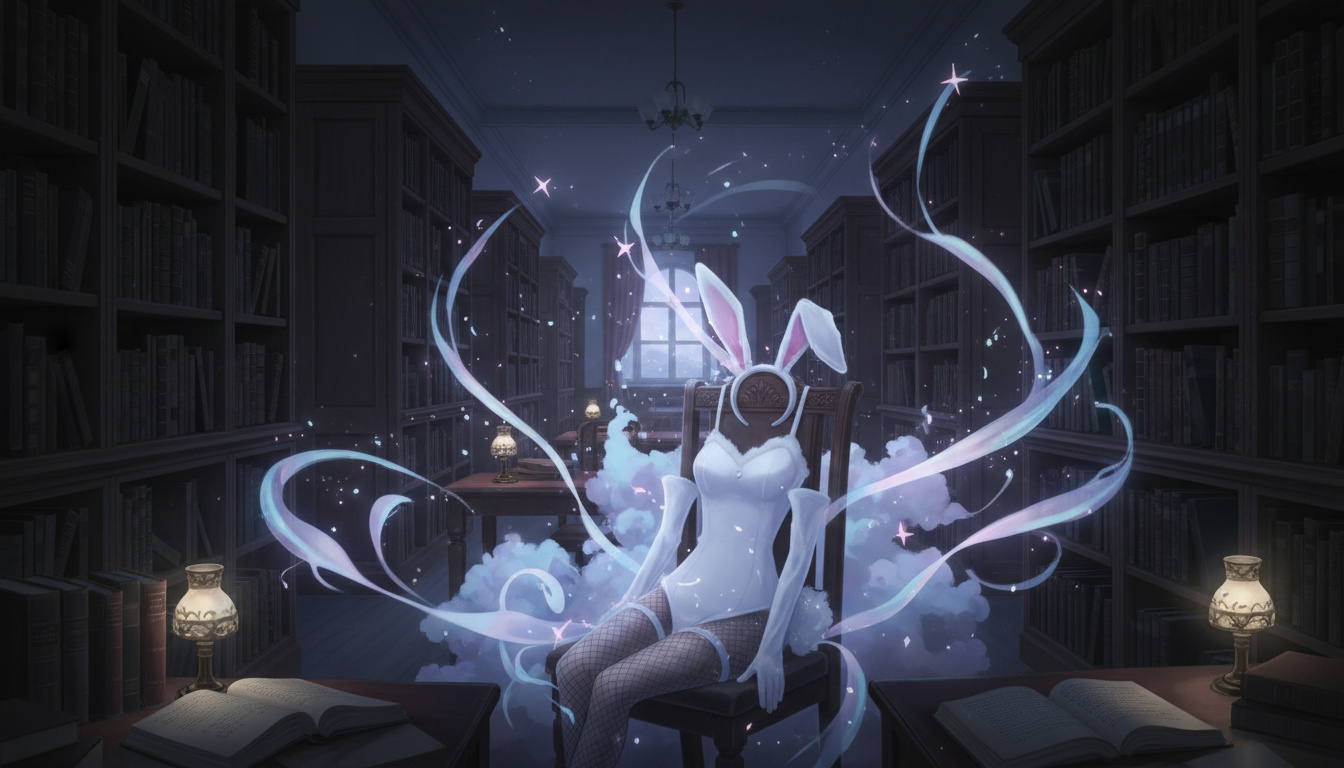
Mai Sakurajima operates as both the initial mystery and emotional anchor of the series. A renowned teenage actress who appears in a bunny girl outfit at the school library, she suffers from Adolescence Syndrome that renders her invisible to everyone except Sakuta. Her condition stems from career pressures and a subconscious desire to disappear from public scrutiny. Intelligent, mature, and self-sacrificing, she forms a deep romantic bond with Sakuta while navigating the complexities of teenage fame and family expectations.
Sakuta Azusagawa
Sakuta Azusagawa presents a cynical yet empathetic counterpoint to typical romantic protagonists. Bearing facial scars from a past incident involving his sister, he approaches supernatural phenomena with deadpan logic and genuine kindness. His ability to perceive those suffering from Adolescence Syndrome positions him as a facilitator of healing for his peers, though his own emotional wounds remain central to later plot developments.
Supporting Cast
The narrative expands through interconnected arcs involving Kaede Azusagawa, Sakuta’s younger sister who developed physical injuries and agoraphobia following severe bullying; Tomoe Koga, a junior student trapped in a time loop attempting to avoid social rejection; Rio Futaba, the science club president who literally splits into two versions of herself; Nodoka Toyohama, Mai’s half-sister and rival idol who swaps bodies with Mai; and Shoko Makinohara, a mysterious figure connected to Sakuta’s past who appears across multiple timelines with a fatal illness.
Each character’s supernatural affliction directly mirrors their psychological state. Mai’s invisibility stems from career pressures, while Kaede’s physical injuries manifest from trauma. The series resolves these conditions through emotional confrontation rather than medical intervention.
What is Adolescence Syndrome?
Manifestations and Mechanics
Adolescence Syndrome functions as the narrative’s supernatural framework, amplifying pubescent emotional turmoil into tangible reality distortions. Documented cases include Mai Sakurajima’s selective invisibility, Tomoe Koga’s temporal loops repeating specific days, Rio Futaba’s physical bifurcation into two distinct personalities, and Nodoka Toyohama’s body-swapping with her half-sister. These phenomena manifest exclusively in teenagers under extreme psychological stress, creating scenarios that isolate the afflicted from their peers.
Thematic Significance
The condition operates as metaphor rather than medical diagnosis, representing the intensity of teenage mental health struggles. According to series analysis, Adolescence Syndrome manifests psychological issues physically, requiring emotional support and confrontation for resolution. The narrative treats these episodes not as curses to be broken, but as internal conflicts externalized, demanding authentic connection and self-acceptance to resolve.
Is There a Season 2 or Movies?
No second season of the television anime has been confirmed as of 2025. The 13-episode series remains a single cour adaptation covering the first three light novel volumes. However, the franchise continues through three theatrical films that adapt subsequent story arcs with escalating complexity.
Rascal Does Not Dream of a Dreaming Girl (2019) explores Shoko Makinohara’s dual timelines and Sakuta’s life-or-death choice regarding her fatal illness, introducing quantum-like paradoxes and timeline resets. The 2023 double feature comprises Rascal Does Not Dream of a Sister Venturing Out, focusing on Kaede’s high school anxiety syndrome and her journey toward independence, and Rascal Does Not Dream of a Knapsack Kid, which flashes back to Sakuta and Shoko’s childhood connection. These films diverge into multiverse elements while maintaining the core emotional focus on bonds and sacrifice.
The 2019 film contains major plot revelations regarding character deaths and timeline alterations. Viewers should complete the television series before viewing the theatrical releases to avoid significant spoilers for Mai’s arc resolution.
Begin with the 13-episode anime, followed by Rascal Does Not Dream of a Dreaming Girl (2019). The 2023 films function as both sequels and prequels; Sister Venturing Out continues the chronological narrative while Knapsack Kid provides foundational backstory.
How Has the Franchise Evolved Over Time?
- : Light novel series debuts under ASCII Media Works, establishing the core concepts of Adolescence Syndrome
- : CloverWorks anime adaptation premieres during Fall season, running 13 episodes
- : Theatrical film Rascal Does Not Dream of a Dreaming Girl expands the narrative into temporal paradox territory
- : Spin-off light novel Rascal Does Not Dream of Logical Witch extends the universe
- : Double feature release of Sister Venturing Out and Knapsack Kid advances Kaede’s recovery arc
- : Light novels continue serialization with college-era storylines; no Season 2 announcement despite fan demand
What is Confirmed and What Remains Uncertain?
| Established Information | Information That Remains Unclear |
|---|---|
| The anime adapts light novel volumes 1-3 | Whether a second television season will adapt volumes 4-6 |
| Three theatrical films have been commercially released | Exact production timelines for future adaptations |
| Light novels continue publication past high school arcs | Which specific volumes future films might cover |
| Hajime Kamoshida continues authoring new volumes | Release dates for any unannounced animation projects |
| COVID-19 caused production delays in the anime industry | Whether teased interview hints indicate imminent announcements |
| Available on Crunchyroll and HIDIVE in most regions | Netflix availability in specific geographic markets |
Cultural Impact and Thematic Resonance
The series resonates within the anime community for its unflinching examination of mental health through supernatural metaphor. Unlike similar titles that focus on action or comedy, this narrative anchors its fantasy elements in genuine psychological distress, addressing bullying, parental neglect, and social anxiety with nuance. The phenomenon of Adolescence Syndrome has entered broader anime discourse as shorthand for the intensity of teenage emotional experience.
The franchise’s approach to romance—characterized by mutual support rather than dramatic misunderstandings—has influenced subsequent series in the genre. Much like Bad Boys for Life – Plot Cast Ending and Sequel Guide examines long-running character relationships, this series explores how trauma and healing function within romantic partnerships.
Sources and Attribution
The story blends romance, drama, and supernatural elements centered on Adolescence Syndrome, a phenomenon causing psychological issues to manifest physically in teenagers due to emotional stress.
— Anime Vice Fall 2018 Guide
Summary
Rascal Does Not Dream of Bunny Girl Senpai delivers a completed anime arc supported by ongoing light novels and three theatrical films, offering a complete narrative about teenagers navigating supernatural manifestations of psychological distress. While no second season has materialized as of 2025, the available content provides substantial exploration of its core themes. For viewers interested in character-driven narratives that balance emotional authenticity with speculative elements, the series remains accessible through major streaming platforms. Those seeking similar explorations of complex narrative structures might also examine I Care a Lot – Plot, Cast, True Story and Ending Explained.
Does Rascal Does Not Dream of Bunny Girl Senpai have a happy ending?
The anime concludes with Mai and Sakuta solidifying their relationship, while the films present more complex resolutions involving timeline sacrifices. The 2023 movies offer closure for Kaede’s arc but maintain open-ended elements for future stories.
Is the series based on a light novel?
Yes. Hajime Kamoshida’s light novel series began in 2014 and continues publication with over fifteen volumes. The anime adapts only the first three volumes, with subsequent films covering later arcs.
What happens in the ending of the 2019 movie?
Sakuta dies in one timeline while saving Shoko Makinohara, who suffers from a fatal illness. Her future self intervenes to reset the timeline, allowing Sakuta to survive while preserving his relationship with Mai, exploring themes of regret and alternate realities.
How does Adolescence Syndrome work?
The condition amplifies pubescent emotional turmoil into supernatural effects. It is not a medical disease but a metaphorical representation of teenage mental health struggles, typically resolving through emotional confrontation and support systems.
Who are the voice actors for the main characters?
Kaito Ishikawa voices Sakuta Azusagawa, while Asami Seto provides the voice for Mai Sakurajima. The supporting cast includes Nao Tōyama as Tomoe Koga and Atsumi Tanezaki as Rio Futaba.
Where does the anime end compared to the light novels?
The anime concludes at the end of volume three, resolving Mai’s invisibility arc. The light novels continue through Sakuta and Mai’s college years, introducing new syndromes and relationship developments not yet animated.
What is the correct order to watch the movies?
Watch Rascal Does Not Dream of a Dreaming Girl (2019) first, followed by Rascal Does Not Dream of a Sister Venturing Out and Rascal Does Not Dream of a Knapsack Kid (2023). The 2023 films were released as a double feature and can be viewed in either order, though Sister Venturing Out follows the chronological sequel narrative.
Related stories





Hannah Walsh covers federal and provincial politics and public policy for Canada Scope.