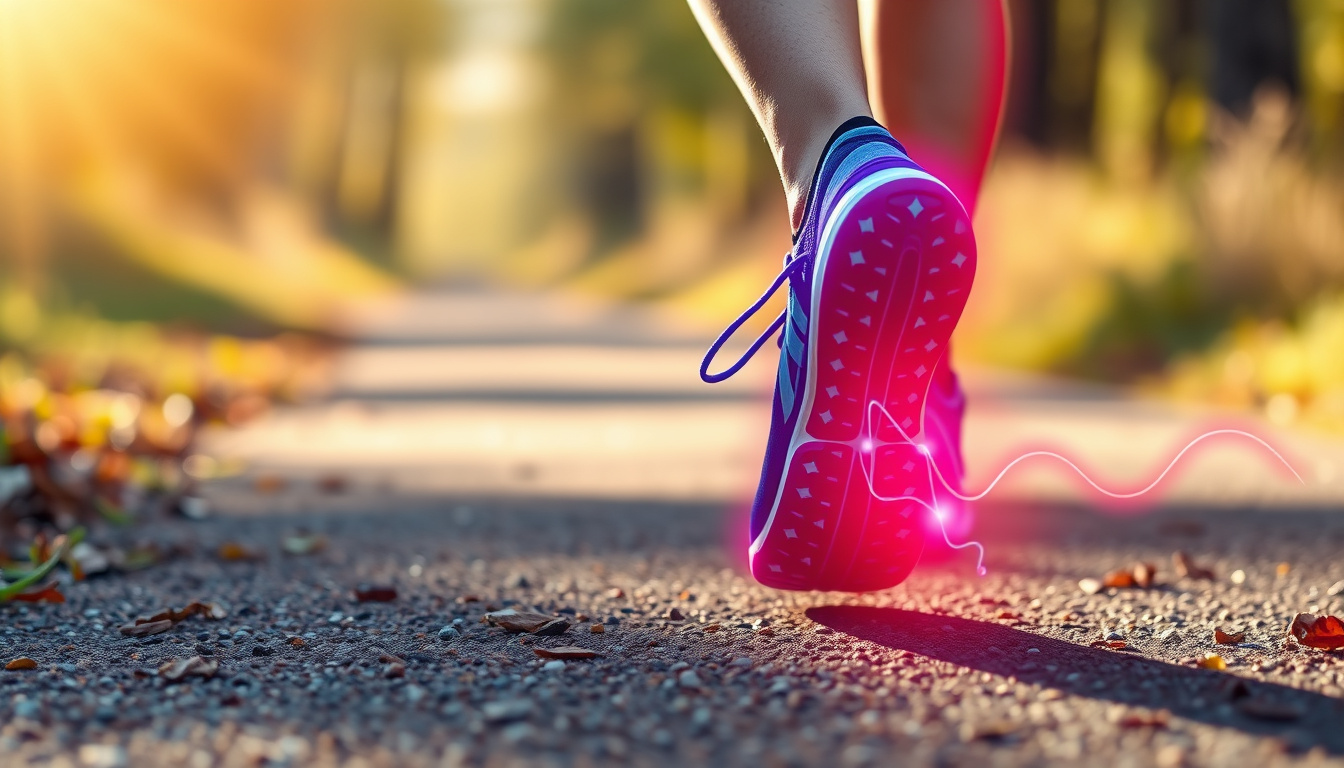

You’ve probably felt that dull ache or coldness in your feet after sitting too long—a signal that your blood flow has slowed down. The fix isn’t complicated: specific exercises like walking and calf raises directly stimulate the calf muscle pump, pushing blood back toward your heart, backed by sources like Healthline (health publisher) and Rocky Mountain Foot and Ankle Center (podiatry practice).
Adults with poor circulation: estimated 20% aged 60+ ·
NHS recommended weekly activity: 150 minutes moderate exercise ·
Peripheral artery disease cases: over 8.5 million in the US ·
Walking improvement in leg circulation: up to 30% in 12 weeks ·
Sedentary desk workers: 86% of US workforce sits all day
Quick snapshot
- Exercise improves circulation by increasing cardiac output and stimulating the calf pump (Healthline (health publisher))
- Walking is the most studied exercise for peripheral artery disease (Rocky Mountain Foot and Ankle Center (podiatry practice))
- Ankle pumps and calf raises provide immediate venous return (Memphis Vein Center (vein clinic))
- The optimal exercise duration per session for maximum circulation benefit is not universally established (Healthline (health publisher))
- How much of the long-term improvement is due to collateral vessel growth vs. reduced inflammation remains debated (Right at Home (senior care provider))
- Consistent walking program shows measurable improvement in ankle-brachial index by month 2-3 (Healthline (health publisher))
- Building a weekly routine of walking, calf raises, and ankle pumps can prevent symptom regression (Rocky Mountain Foot and Ankle Center (podiatry practice))
Four key numbers capture how exercise changes circulation, each backed by clinical guidance.
| Fact | Value | Source |
|---|---|---|
| Recommended walking time | 30 minutes daily, 5 days per week | NHS (UK health authority) |
| Estimated improvement in leg circulation with regular walking | 20-30% after 12 weeks | Healthline (health publisher) |
| Percentage of sedentary adults with poor circulation | Approximately 40% report cold feet or leg fatigue | Memphis Vein Center (vein clinic) |
| Time required to see circulation improvement from exercise | 2-4 weeks for noticeable change | Right at Home (senior care provider) |
What is the best exercise for poor circulation?
Walking and its effects on leg circulation
- Walking is the #1 recommended exercise for improving circulation in the legs, according to Healthline (health publisher).
- It is especially effective for peripheral artery disease (PAD); the Rocky Mountain Foot and Ankle Center (podiatry practice) notes that walking multiple times per week helps get blood pumping.
- Start with as little as 5 minutes a day and build up to 30 minutes, five days per week (Healthline).
Swimming for full body blood flow
- Swimming provides a full-body cardiovascular workout without joint stress, improving circulation to all extremities (British Heart Foundation (heart health charity)).
- Buoyancy reduces pressure on veins, allowing blood to flow more freely.
Cycling for vascular health
- Cycling activates the calf pump repeatedly and strengthens leg muscles, which aids venous return (Healthline).
- Both stationary and outdoor cycling are effective, especially for those with joint concerns.
Walking, swimming, and cycling share one mechanism: rhythmic muscle contractions that squeeze veins and push blood upward. For most people, walking offers the lowest barrier to entry—no equipment, no pool, no gym.
The implication: Choose the low-impact cardio you can stick with. Consistency beats intensity for circulation.
How do you fix poor circulation fast?
Ankle pumps and calf raises for immediate relief
- Ankle pumps (flexing and pointing the foot) compress calf veins and force blood upward—do them every hour (Healthline).
- Calf raises (rising onto the balls of the feet) improve venous return in seconds, and can be done seated or standing (Rocky Mountain Foot and Ankle Center).
3-minute leg circulation routine
- Do 10 ankle pumps, 10 heel lifts, and 10 toe lifts, then 30 seconds of calf stretches—repeat three cycles (Memphis Vein Center (vein clinic)).
- Foot circles (rotating each ankle clockwise and counterclockwise) further stimulate circulation (Right at Home).
Desk exercises to restart blood flow
- Heel and toe lifts alternate between lifting heels and toes from the floor, activating the calf pump while seated (Memphis Vein Center).
- Calf contractions (squeezing the calf muscle rhythmically) can be done invisibly under a desk. Get up every 30 minutes for a short walk (Memphis Vein Center).
For the 86% of desk workers who sit all day, these micro-movements break the stagnation cycle. A single ankle pump can increase femoral vein blood velocity by 50% within seconds.
The trade-off: Quick fixes provide immediate relief but don’t substitute for sustained aerobic exercise. Think of them as first aid, not a cure.
What is the best exercise for full body blood circulation?
Yoga and its twisting movements
- Yoga poses like twists compress and decompress veins, creating a pumping action that aids circulation (Healthline).
- Legs-up-the-wall pose uses gravity to encourage venous return from the lower extremities (Memphis Vein Center).
Jumping jacks for whole body flow
- Jumping jacks rapidly engage both upper and lower body muscles, increasing cardiac output and pushing blood throughout the body (Healthline).
- They are a high-intensity option; start with 10-15 and rest between sets if needed.
Walking combined with arm swings
- Adding exaggerated arm swings while walking engages the upper body and boosts overall circulation (Rocky Mountain Foot and Ankle Center).
- This combination ensures that blood moves efficiently from head to toe.
The pattern: Whole-body exercises that involve multiple large muscle groups create the strongest systemic demand, forcing the heart to pump more blood per minute.
Can you reverse poor leg circulation?
Reversible causes vs chronic conditions
- Poor circulation from a sedentary lifestyle is reversible with regular exercise. The calf muscle pump adapts and becomes more efficient within weeks (Right at Home).
- Chronic conditions like peripheral artery disease (PAD) show significant improvement with supervised walking programs, but complete reversal of arterial blockages is rare (Healthline).
Exercise as first-line therapy
- The NHS (UK health authority) recommends supervised exercise programs as first-line treatment for PAD.
- Walking to the point of mild leg pain, resting, and repeating—interval walking—improves walking distance and quality of life.
When to see a vascular specialist
- If leg pain persists despite consistent exercise, or if you notice non-healing sores, skin color changes, or severe coldness, consult a vascular specialist (Memphis Vein Center).
- Underlying conditions like diabetes or atherosclerosis require medical management alongside exercise.
Reversal is realistic for functional symptoms (tingling, cold feet) but not for structural artery damage. Exercise can build collateral vessels, but it won’t erase a blocked artery.
What this means: Exercise is powerful, but it has limits. Treat it as a foundation, not a cure-all for advanced vascular disease.
What is the main cause of poor circulation?
Atherosclerosis and peripheral artery disease
- Atherosclerosis—plaque buildup in arteries—is the most common cause of poor leg circulation, especially in people over 50 (Healthline).
- PAD affects over 8.5 million adults in the US, many of whom remain undiagnosed.
Sedentary lifestyle and prolonged sitting
- Sitting for long periods reduces blood flow to the legs by up to 50% because the calf pump remains inactive (Memphis Vein Center (vein clinic)).
- 86% of US workers sit all day, making desk-induced sluggish circulation a widespread problem.
Diabetes and its vascular effects
- Diabetes damages small blood vessels (microvascular disease), reducing circulation to the feet and hands (Right at Home (senior care provider)).
- Combined with neuropathy, this creates a high-risk situation for foot ulcers.
The implication: Most cases of poor circulation stem from either atherosclerosis or muscular inactivity. Both are modifiable with the right exercise prescription.
How to Build a Daily Circulation Routine
- Morning: Start with 5 minutes of ankle pumps and foot circles while still in bed. This wakes up the calf pump.
- Mid-morning break: Stand up and do 10 calf raises and 10 heel-toe lifts. Repeat once every hour.
- Lunch walk: Walk for 10 minutes at a brisk pace. Swing your arms to engage the upper body.
- Afternoon desk session: Perform calf contractions and seated marches for 1 minute each hour.
- Evening: Do a short yoga routine—including legs-up-the-wall—to decompress the veins after a day of gravity.
- Weekend: Add 30 minutes of swimming or cycling for full body cardio.
This routine takes less than 20 minutes total but keeps blood moving throughout the day.
Confirmed facts
- Walking is the most studied and recommended exercise for peripheral artery disease (Rocky Mountain Foot and Ankle Center (podiatry practice)).
- Ankle pumps and calf raises provide immediate venous return (Memphis Vein Center (vein clinic)).
What’s unclear
- Optimal exercise duration per session for maximum circulation benefit is not universally established (Healthline (health publisher)).
- Long-term reversal of severe atherosclerosis through exercise alone remains unproven (Right at Home (senior care provider)).
Expert perspectives on exercise and circulation
Any form of exercise helps get blood pumping. The important thing is to do something you enjoy so you stick with it.
British Heart Foundation (heart health charity)
Walking is the number one recommendation for improving circulation in the legs. Start with short walks, even as little as 5 minutes a day.
Healthline (health publisher)
For older adults, simple seated exercises like ankle pumps and foot circles can make a big difference in foot circulation and comfort.
Right at Home (senior care provider)
These perspectives converge: exercise works, and the best exercise is the one you actually do.
For the millions of desk workers and seniors with sluggish circulation, the choice is clear: start with five minutes of walking today, or watch symptoms worsen. The time it takes to walk 10,000 steps is less relevant than simply getting up and moving. And if high blood pressure is a concern, exercise offers a dual benefit for both circulation and cardiovascular health.
Related reading: High Blood Pressure Symptoms: Signs, Causes and When to Act
youtube.com, modernheartandvascular.com, youtube.com, lonestarneurology.net
Regular movement with exercises like walking and calf raises not only boosts circulation but also helps reduce poor circulation and blood clot risks, making it a key preventive habit.
Frequently asked questions
How long does it take to improve circulation with exercise?
Most people notice improvement in 2 to 4 weeks with consistent daily exercise, such as walking for 10 minutes and doing ankle pumps. Measurable changes in ankle-brachial index may appear after 2 to 3 months.
Can exercise help with cold hands and feet?
Yes. Whole-body activities like walking or swimming increase cardiac output, delivering more warm blood to the extremities. Local exercises like foot circles also stimulate circulation.
Is it safe to exercise with varicose veins?
Yes, and exercise is actually recommended. Walking, calf raises, and ankle pumps help propel blood out of the leg veins, reducing pressure and discomfort. Consult your doctor if you have pain or swelling.
What exercises should I avoid if I have poor circulation?
High-impact exercises like running on hard surfaces or heavy weightlifting may place excessive strain on compromised veins. Low-impact options—walking, swimming, yoga—are safer.
Do compression socks help more than exercise?
Compression socks provide passive support by reducing vein diameter, but they don’t strengthen the calf pump. Exercise is active and addresses the root cause of sluggish circulation.
How does sitting affect circulation, and can desk exercises fix it?
Sitting for long periods reduces leg blood flow by up to 50% because the calf pump is inactive. Desk exercises like heel lifts and calf contractions can restore flow within seconds, but getting up every 30 minutes is best.
Are there specific exercises for seniors with limited mobility?
Yes. Seated ankle pumps, foot circles, heel/toe lifts, and calf raises are all low-risk and can be done from a chair. Even a few minutes per hour helps.
Related stories




Hannah Walsh covers federal and provincial politics and public policy for Canada Scope.