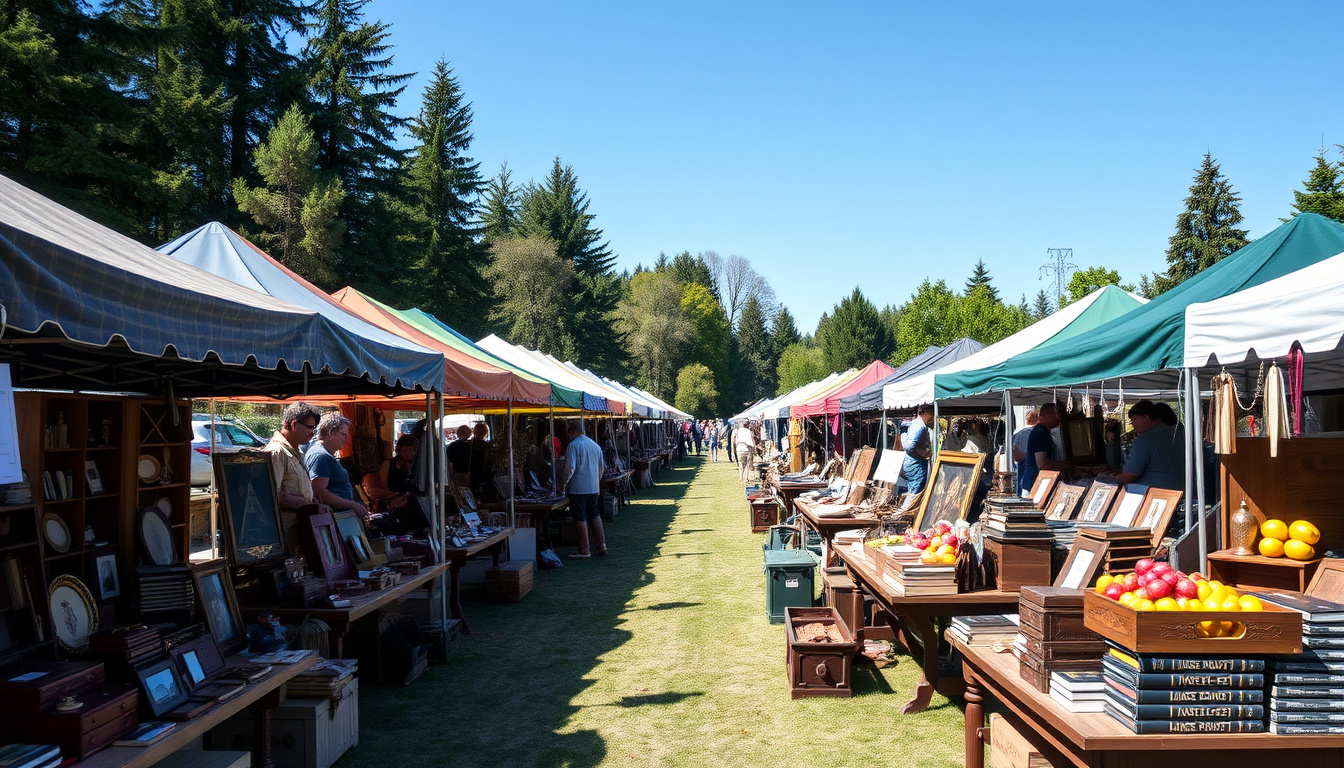

Finding a flea market near you opens doors to one of the oldest forms of trading—where treasures hide in plain sight among second-hand goods, antiques, and handmade crafts. Whether you are hunting for vintage furniture, rare collectibles, or simply curious about what your local area has to offer, flea markets remain cultural hubs that blend bargain hunting with community spirit.
Modern flea markets near major cities like Washington, DC, have evolved far beyond their humble origins. Today’s markets range from sprawling indoor warehouses to charming outdoor weekend bazaars, each offering distinct experiences shaped by local history and vendor specialties. Understanding how these markets operate, when they open, and what to expect can transform an ordinary outing into a genuine treasure hunt.
This guide covers practical steps for locating markets in your area, highlights top-rated options near Washington, DC, and provides insights into what makes each venue unique. Information reflects current publicly available data, though operating hours and vendor availability may change seasonally.
How to Find Flea Markets Near You
Locating active flea markets requires knowing which tools and platforms aggregate reliable, up-to-date information. Several trusted directories specialize in listing markets by region, often including user reviews, photographs, and real-time status updates.
Definition and Types
Flea markets are markets selling second-hand goods, antiques, collectibles, vintage items, and crafts. They range from outdoor street fairs to large indoor warehouse events.
Top Features
Expect bargains on antiques, vintage clothing, furniture, vinyl records, jewelry, and handmade goods. Many markets also feature food trucks and local artisans.
Best Times to Visit
Weekend mornings between 8 and 10 AM offer the best selection before crowds arrive. Sundays often draw serious antique collectors in markets like Georgetown.
Local Search Tips
Use Google Maps for real-time “open now” results. Check Eventbrite, TripAdvisor, and Virginia.org for curated listings. Social media accounts often post last-minute updates.
Key Insights for Finding Markets
- Eventbrite and TripAdvisor aggregate listings by city, often including user photos and ratings that reflect current market conditions.
- Virginia.org maintains official tourism event calendars covering antique shows and flea markets across Virginia, useful for finding markets within driving distance.
- Social media accounts such as @fleamarketateasternmarket post real-time updates on vendor arrivals, weather-related changes, and special events.
- Google Maps allows filtering by “open now,” though users should verify details directly with market organizers when possible.
- Searching “flea markets [your city]” combined with specific terms like “antiques” or “vintage” narrows results to relevant venues.
- Weekends remain the primary operating window for most markets, with Sunday mornings particularly strong for antique-focused venues.
- Local tourism boards and city websites sometimes maintain event calendars that include recurring market dates.
| Fact | Details |
|---|---|
| Typical Hours | Weekends 8 AM–4 PM; some indoor markets extend into evening on Saturdays |
| What to Expect | Vendor stalls, antiques, vintage clothing, furniture, street food, collectibles |
| Best For | Bargain hunters, antique collectors, vintage enthusiasts, small business supporters |
| Entry Costs | Free to $15 depending on venue; larger indoor events like DC Big Flea charge admission |
| Payment Methods | Cash preferred; some vendors accept cards; bring small bills for easier transactions |
| Weather Considerations | Outdoor markets operate rain-or-shine; indoor markets provide climate-controlled shopping |
Best Flea Markets Near Me Right Now
The Washington, DC metropolitan area hosts several highly regarded markets, each with distinct strengths. The following venues represent some of the largest and best-rated options for antique and vintage goods within driving distance of the capital.
Eastern Market Flea Market
Eastern Market operates year-round on Saturdays and Sundays from 9 AM to 4 PM at 7th and C Street SE in Washington, DC. The venue features vintage fashion, art, antiques, and small business vendors. From March onward, the market expands to a larger seasonal layout along 7th Street SE. The market benefits from its pedestrian-friendly Capitol Hill location and draws a mix of locals and tourists seeking unique finds.
Georgetown Flea Market
Open every Sunday in Georgetown, this market specializes in antiques, collectibles, vintage clothing, furniture, rugs, China, glassware, silver, and jewelry. Reviewers consistently rate it highly for quality, noting that it attracts a more discerning clientele than suburban alternatives. The Georgetown setting also increases the likelihood of celebrity sightings, making it a tourist destination as much as a shopping venue.
DC Big Flea Market
DC Big Flea Market hosts events at 8358 Sudley Road in Manassas, Virginia, approximately 30 miles from Washington, DC. Upcoming dates include April 18–19, with Saturday hours from 9 AM to 6 PM and Sunday from 11 AM to 5 PM. Admission costs $15 for a weekend pass. The indoor setting ensures reliable shopping regardless of weather, and the vendor mix focuses on fine antiques, vintage clothing, accessories, and collectibles.
Del Ray Vintage and Flea Market
Located in Alexandria, Virginia, approximately 10 miles from DC, the Del Ray Vintage and Flea Market convenes on the second Saturday of each month from 9 AM to 2 PM. Vendors occupy outdoor parking lots along Mt. Vernon Avenue at addresses 1804, 1900, and 2000. The market emphasizes vintage home goods, clothing, vinyl records, and jewelry. Applications for vendor participation remain open, suggesting continued growth into 2026.
Markets listed reflect publicly available information as of the most recent updates. Operating schedules, especially for seasonal venues, may change. Verifying dates directly through official websites before traveling remains advisable.
Other Options in the DC Area
Additional venues accessible via Eventbrite include the McKinley Middle School Flea in Eckington, operating Saturdays from 8 AM, and the Friendly Flea at 8400 Allentown Road, also opening Saturdays at 8 AM. These smaller markets may offer more intimate shopping experiences with varying antique and vintage selections.
What Is a Flea Market and How Does It Work?
A flea market is a physical marketplace where vendors sell second-hand goods, antiques, collectibles, vintage items, and handcrafted products. The term traces its origins to 19th-century Europe, where merchants supposedly fled fleas found on old furniture brought to markets. While the exact etymology remains debated, the name has persisted globally to describe informal trading spaces distinct from conventional retail stores.
Origins and Evolution
Flea markets in the United States evolved from farmers markets and street fairs that dates back to colonial times. Over generations, these venues transformed into specialized marketplaces where collectors, small businesses, and individuals could trade goods outside mainstream commercial channels. In Washington, DC, Eastern Market embodies this tradition, connecting contemporary vendors with buyers who appreciate both practical bargains and rare finds.
Vendor Structure
Most flea markets operate on a vendor model where individual sellers lease booth or stall space from a market operator. Vendors range from professional antique dealers to casual sellers clearing household clutter. This diversity creates the characteristic mix of valuable antiques alongside everyday second-hand items that defines the flea market experience.
What You Can Buy
The inventory at any given flea market varies widely but typically includes antique furniture, vintage clothing, vinyl records, jewelry, ceramics, artwork, books, toys, and collectibles. Some markets specialize—Georgetown, for instance, draws vendors offering fine silver, antique rugs, and heirloom-quality pieces—while others maintain broader selections appealing to general bargain hunters.
Inspect items carefully before purchasing. Check furniture for structural damage, examine glassware and ceramics for chips or cracks, and research values for significant antiques using mobile apps or reference guides. Polite haggling on unique pieces is customary at most markets.
Flea Market Hours and Weekend Schedules Near Me
Understanding typical operating hours helps visitors plan trips effectively. Most flea markets concentrate their operations on weekends, with Sunday mornings particularly popular among serious antique buyers.
Typical Weekend Patterns
Most outdoor markets open between 7 and 9 AM on Saturdays and Sundays, closing between 3 and 5 PM. Indoor venues like the DC Big Flea may extend hours on Saturdays to accommodate larger crowds traveling from greater distances. Monthly markets such as Del Ray operate on specific calendar patterns—typically the second Saturday—rather than every weekend.
Seasonal Variations
Outdoor markets generally operate year-round in mild climates but may reduce hours or pause during winter months. Eastern Market’s expansion to a larger layout on 7th Street SE beginning in March illustrates how seasonal changes influence vendor arrangements and available space.
Preparing for Your Visit
Arriving early—between 8 and 9 AM—provides access to the best selection before popular items sell. Visitors should bring cash, as many vendors prefer paper currency over card payments. Reusable bags or a cart facilitate transporting purchases. Weather-appropriate clothing matters for outdoor venues, though most operate rain-or-shine.
Confirm current hours directly with market organizers or their official online channels. Schedules, especially for special events and seasonal expansions, can change without notice. Parking arrangements and any entry fees should be verified in advance.
A Brief History of Flea Markets
Flea markets emerged as informal trading spaces in European cities during the 1800s. Early markets attracted vendors selling second-hand goods that wealthier customers associated with poor hygiene—a connection that supposedly inspired the unflattering name. Despite—or perhaps because of—their humble origins, these markets attracted diverse participants seeking affordable goods and rare finds.
- 1800s Europe: Outdoor markets selling used goods gain popularity in Paris, London, and other major cities; the term “flea market” enters common usage.
- Early 1900s America: Farmers markets and street fairs evolve to include second-hand dealers; the Great Depression increases demand for affordable goods.
- Mid-1900s: Suburbanization spreads markets to emerging communities; auto-oriented venues accommodate visitors driving from greater distances.
- 1970s–1990s: Vintage and antique collecting gains cultural legitimacy; markets like Georgetown emerge as destinations for quality goods.
- 2000s–present: Digital tools help buyers locate markets; social media enables real-time updates; renewed interest in sustainability boosts second-hand shopping.
What We Know and What Remains Unclear
Publicly available information provides a solid foundation for planning flea market visits, though certain details require individual verification.
| Established Information | Information Requiring Verification |
|---|---|
| Eastern Market operates Saturdays and Sundays, 9 AM–4 PM year-round | Specific vendor counts and specialties on any given weekend |
| Georgetown Flea Market operates Sundays, focusing on antiques and fine goods | Exact opening hours, which are not publicly specified |
| DC Big Flea’s next event is April 18–19 with $15 weekend admission | Frequency of events after April; whether pricing changes seasonally |
| Del Ray Vintage operates second Saturdays, 9 AM–2 PM | Exact dates through 2026; vendor application deadlines |
| Most markets accept cash preferred; some vendors take cards | Availability of ATMs or card facilities at specific venues |
| Outdoor markets typically operate rain-or-shine | Specific weather-related cancellations or modifications |
The Role of Flea Markets in Local Economies
Flea markets serve functions beyond simple commerce. They provide affordable sales channels for small businesses, artists, and individuals decluttering homes. Venues like Eastern Market support local traditions while attracting tourists who contribute to surrounding neighborhoods. The markets also foster community connections—regular visitors develop relationships with trusted vendors, while newcomers discover local culture through merchandise and conversation.
Post-pandemic interest in second-hand shopping has strengthened many markets, as consumers increasingly value sustainability and unique finds over mass-produced goods. This shift benefits both vendors offering pre-owned antiques and artists selling handcrafted items that cannot be replicated in factories.
Credibility and Sources
Information in this guide draws from publicly accessible sources including official market websites, tourism platforms, and aggregated event listings. Where specific details could not be independently verified, the article notes the need for readers to confirm independently.
“Flea markets represent one of the oldest forms of direct commerce—connecting sellers directly with buyers in spaces defined by discovery and negotiation rather than fixed pricing.”
— Virginia Tourism Corporation, Antique Shows and Flea Markets Guide
Official sources consulted include Eastern Market’s published schedule, Georgetown Flea Market’s promotional materials, the DC Big Flea Market’s event announcements, and Del Ray Vintage’s vendor application information. TripAdvisor user reviews provided additional context on visitor experiences and market characteristics.
Summary
Finding a flea market near you involves using the right search tools, understanding typical operating schedules, and knowing what to expect when you arrive. The Washington, DC area offers several excellent options—Eastern Market for consistent weekend access, Georgetown for high-quality antiques, DC Big Flea for the largest indoor selection, and Del Ray for a neighborhood-focused monthly experience. Preparing appropriately with cash, comfortable clothing, and realistic expectations enhances the likelihood of successful treasure hunting. Whether seeking specific antiques or simply exploring what’s available locally, these markets continue serving as valuable community resources where second-hand goods find new owners. Those interested in retirement home near me resources or apartments for rent Thunder Bay listings may find similar local search strategies effective when exploring different types of community resources.
Frequently Asked Questions
What should I know before visiting a flea market?
Arrive early for the best selection. Bring cash, comfortable shoes, and bags for purchases. Inspect items carefully before buying, and expect to negotiate politely on prices for unique antiques.
What can I buy at flea markets near me?
Most markets feature antiques, vintage clothing, furniture, collectibles, vinyl records, jewelry, artwork, and handmade crafts. Selection varies by venue and vendor mix.
Are flea markets open during the week?
Most flea markets operate on weekends only. Some large indoor venues host events on specific dates throughout the year rather than weekly schedules.
Do I need cash at flea markets?
Cash is preferred by most vendors. Bringing small bills makes transactions easier, though some vendors accept cards. ATM availability varies by venue.
Can I sell items at a flea market?
Most markets require vendor applications and booth fees. Markets like Del Ray accept applications from prospective sellers. Requirements vary by venue.
What happens if it rains at an outdoor flea market?
Outdoor markets typically operate rain-or-shine. Checking social media accounts or official channels for weather-related updates before traveling remains advisable.
How do I find flea markets in other cities?
Use search engines with “flea market [your city]” queries, consult Eventbrite or TripAdvisor for listings, check local tourism websites, and follow social media accounts dedicated to markets in your area.
Related stories





Hannah Walsh covers federal and provincial politics and public policy for Canada Scope.