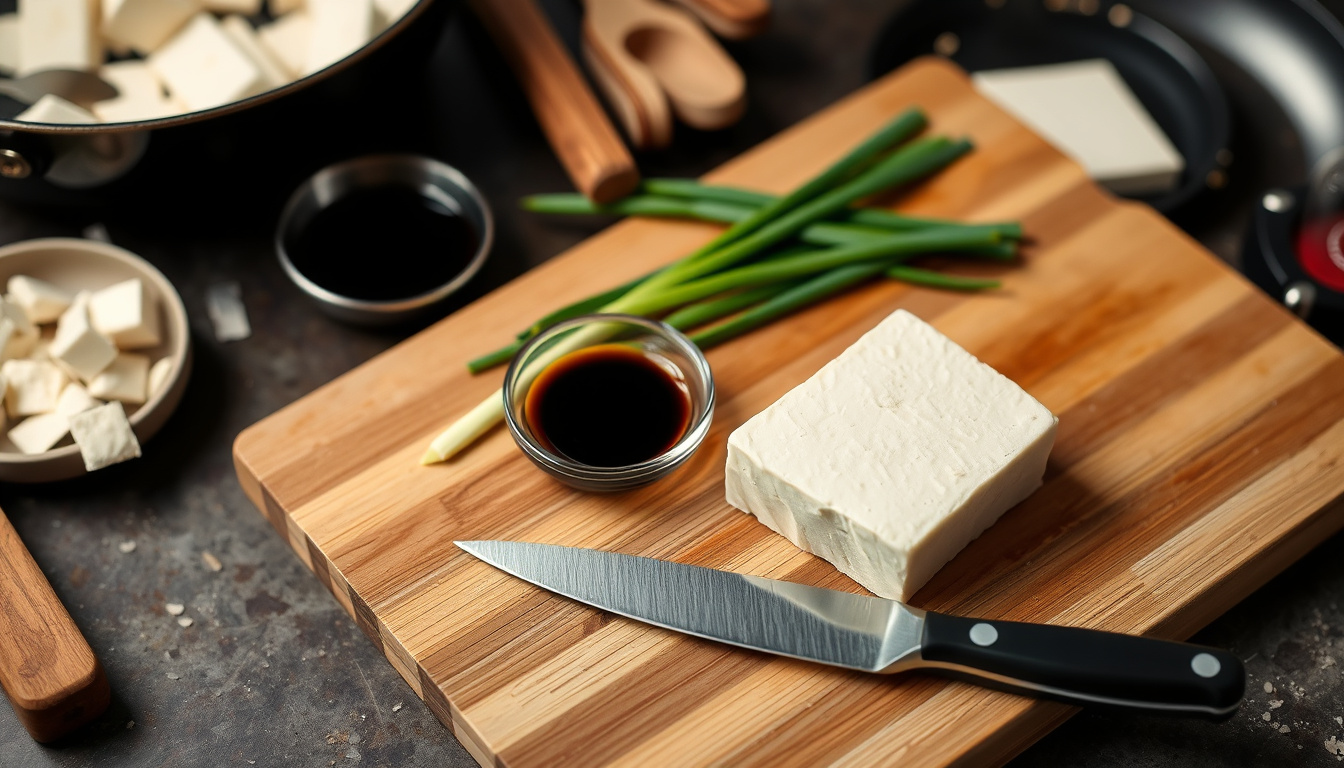
Anyone who’s tried cooking tofu at home and ended up with a sad, bland, rubbery cube knows the frustration. But with the right technique—and a little science—that same block of soy can turn into crispy, golden perfection.
Calories per 100g: 76 ·
Protein per 100g: 8g ·
Fat per 100g: 4.8g ·
Carbohydrates per 100g: 1.9g
Quick snapshot
- Tofu is safe for most people when consumed in moderation (Harvard Health Publishing)
- Tofu causes gas due to oligosaccharides (Verywell Health)
- Tofu provides complete protein (BBC Good Food)
- Optimal daily intake for maximum health benefit (Healthline)
- Long-term effects of high isoflavone consumption on specific populations (Healthline)
- Whether digestive symptoms affect all individuals equally (Healthline)
- Tofu originated in China over 2,000 years ago
- Modern popularity surged in the West during the 1970s as a protein alternative
- More research on gut-specific effects of processed soy
- Increased availability of low-FODMAP tofu varieties
Four key facts stand out about this versatile ingredient:
| Attribute | Detail |
|---|---|
| Origin | China, over 2,000 years ago |
| Main ingredient | Soybeans |
| Common coagulants | Calcium sulfate, nigari |
| Storage | Refrigerate, use within 1 week |
| Calories per 100g | 73–76 kcal (varies by firmness) (BBC Good Food) |
| Protein per 100g | 8.1 g (BBC Good Food) |
| FODMAP status | Firm tofu is low FODMAP (Banner Health) |
| Primary minerals | Calcium, manganese, copper, selenium (Harvard Health Publishing) |
What is the tastiest way to eat tofu?
Flavor and texture depend entirely on preparation. Three techniques consistently deliver the best results.
Crispy baked tofu method
- Press the block for 30 minutes to remove excess moisture (Minimalist Baker)
- Cube, toss with cornstarch and seasonings, then bake at 425°F for 20–25 minutes (Love and Lemons)
- Cornstarch coating creates the crisp exterior that makes it addictive
Pan-frying technique
- Pat tofu dry, cut into slabs or cubes, and cook in a hot skillet over medium-high heat (Food with Feeling)
- Don’t move it too early—let a golden crust form before flipping (Kitchen Stories)
Marinating tips
- Use bold flavors—soy sauce, garlic, ginger, or chili paste—and let the tofu sit for at least 15 minutes (The Banana Diaries)
- For extra absorption, freeze and thaw the tofu first; the ice crystals create a sponge-like texture
The difference between bland and brilliant tofu is moisture removal and high heat. Pressing and starch are not optional—they’re the foundation.
The implication: with these methods, even a first-timer can produce restaurant-quality crispy tofu in under 30 minutes of active time.
What is tofu made of?
Tofu starts simply—soy milk curdled with a coagulant—but the variety in textures and nutrients is wide.
Soybeans and coagulants
- Soybeans are soaked, ground, and boiled to produce soy milk, then a coagulant (calcium sulfate or nigari) is added to form curds (Harvard Health Publishing)
- Calcium sulfate adds extra calcium; nigari (magnesium chloride) produces a sweeter flavor
Nutritional profile of tofu
- Complete protein with all essential amino acids (BBC Good Food)
- Rich in iron and calcium—especially when calcium-set (Harvard Health Publishing)
Types of tofu (silken, firm, extra-firm)
- Silken: high water content, used in smoothies and desserts
- Firm: holds shape, good for stir-fries and grilling
- Extra-firm: densest, best for baking and pan-searing (Kitchen Stories)
Choosing the right texture changes the cooking outcome completely. A beginner buying silken tofu expecting a crispy stir-fry will be disappointed—extra-firm is the safest starting point.
The catch: nutrition labels vary by brand and firmness, so checking the package is essential for accurate macro tracking.
Is tofu good for your health?
The short answer is yes for most people—but there are nuances worth knowing.
Health benefits of tofu
- May lower heart disease risk when replacing animal protein (Harvard Health Publishing)
- Lactose-free, making it a useful alternative for dairy-sensitive individuals (Banner Health)
Potential downsides (phytates, isoflavones)
- Phytates can slightly reduce mineral absorption—but not significantly in balanced diets
- Isoflavones are phytoestrogens; moderate intake is safe, but excessive consumption may affect thyroid function in susceptible people
Tofu is relatively low in calories compared with many other protein sources, and it provides a good amount of protein, calcium, manganese, copper and selenium.
— Harvard Health Publishing
The pattern: benefits are well-supported, downsides are dose-dependent and rarely problematic at normal consumption levels.
Why does my tummy hurt after eating tofu?
Digestive discomfort after tofu is real for some people, and it’s not in their heads.
Causes of digestive discomfort after tofu
- Tofu contains oligosaccharides—complex sugars that ferment in the gut and produce gas (Verywell Health)
- Trypsin inhibitors can interfere with protein digestion, leading to bloating or abdominal pain (Healthline)
Tofu and gas production
- Oligosaccharides are not unique to tofu—they’re found in beans and lentils too
- Soaking or cooking does not remove all gas-causing compounds, but longer cooking times help (Healthline)
Gut health considerations
- Firm tofu is classified as low FODMAP, so it may be better tolerated than silken varieties (Banner Health)
- People with IBS should start with small portions and observe symptoms
Some people may experience digestive problems from tofu and other soy products, including constipation or diarrhea.
— Verywell Health
If you regularly feel bloated after eating tofu, try switching to extra-firm or organic tofu, and pair it with digestive aids like ginger or fennel.
The trade-off: the same compounds that make tofu a complete protein can also cause gas in sensitive guts. Portion control and proper cooking reduce the issue.
How much tofu is too much?
There’s no single dangerous threshold, but guidelines help.
Recommended serving sizes
- 1–2 servings (100–200g) per day is considered moderate (Harvard Health Publishing)
- Going beyond 3–4 servings daily without variety may displace other nutrients
Tofu as an IBS trigger
- Firm tofu is low FODMAP and generally safe for IBS, but individual tolerance varies (Banner Health)
- Silken tofu contains higher oligosaccharides and may be more problematic
Other high-gas foods to consider
- Beans, lentils, onions, garlic, and cruciferous vegetables (broccoli, cabbage) (Verywell Health)
- Combining tofu with these foods amplifies gas production
The catch: long-term high doses of soy isoflavones (more than 4–5 servings daily) have not been thoroughly studied in specific populations such as postmenopausal women or hypothyroid patients—moderation remains the safest course.
Upsides and downsides
Upsides
- High-quality complete protein
- Low in calories and saturated fat
- Good source of calcium, iron, and selenium
- Versatile in sweet and savory dishes
- Dairy-free and lactose-free
Downsides
- May cause gas and bloating in sensitive individuals
- Contains trypsin inhibitors that can hinder digestion
- Phytates may reduce mineral absorption slightly
- High isoflavone intake may affect thyroid function in susceptible people
- Some people dislike the plain flavor without proper seasoning
Step-by-step beginner method
- Press: Wrap a block of extra-firm tofu in a clean towel and place a heavy pan on top for 30 minutes.
- Slice: Cut into ½-inch cubes or slabs (One Ingredient Chef).
- Season: Toss with a marinade (soy sauce, oil, garlic) and let sit for 10–15 minutes.
- Coat: Sprinkle with cornstarch for extra crispiness.
- Cook: Bake at 425°F for 20–25 minutes, flipping halfway.
- Serve: Add to stir-fries, salads, or bowls with sauce.
Clarity check
Confirmed facts
- Tofu is safe for most people when consumed in moderation (Harvard Health Publishing)
- Tofu causes gas due to oligosaccharides (Verywell Health)
- Tofu provides complete protein (BBC Good Food)
- Pressing tofu before cooking improves texture (Minimalist Baker)
What’s unclear
- Optimal daily intake for maximum health benefit
- Long-term effects of high isoflavone consumption on specific populations
- Whether digestive symptoms affect all individuals equally (Healthline)
- Exact mechanism of trypsin inhibitor sensitivity across different processing methods
Quotes from the experts
Tofu is a soy-based food made from curdled soy milk and is commonly used as a plant-based protein ingredient.
— Harvard Health Publishing
A 100 g serving of steamed tofu is reported to provide 73 kcal and 8.1 g protein.
— BBC Good Food
Firm tofu is described as low FODMAP and therefore often easier to digest for some people than many other protein-rich foods.
— Banner Health
Summary
Tofu is not a one-trick ingredient—it can be either a bland disappointment or a crispy, satisfying staple, and the difference is in the prep. For the home cook in the U.S. looking for a reliable plant protein, the choice is clear: press it, starch it, and cook it hot. Skip the shortcuts, and you’ll never call tofu boring again.
Related reading: Aritzia Sweatpant Review: Prices, Styles, Fit & Value · Bathroom Cabinets: Buying Guide for Ireland
Frequently asked questions
Can you freeze tofu?
Yes, freezing changes the texture to a firmer, chewier consistency that absorbs marinades better. Thaw in the fridge before use.
How long does tofu last in the fridge?
An unopened package lasts 1–2 weeks. Once opened, keep tofu submerged in fresh water and change it daily; use within 3–5 days.
Is tofu suitable for vegans?
Absolutely—tofu is 100% plant-based and contains no animal products. It’s a staple protein for vegan and vegetarian diets.
Does tofu need to be cooked?
No, silken tofu can be eaten raw in smoothies or salads. Firm and extra-firm tofu are safe raw but taste better cooked.
Can you eat tofu raw?
Yes, all tofu is pre-cooked during processing. However, raw tofu lacks the flavor and texture that cooking brings.
What is the difference between silken and firm tofu?
Silken tofu has high water content and a custard-like texture, ideal for desserts and soups. Firm and extra-firm tofu are denser, better for frying, baking, and stir-fries.
Related stories





Noah Gagnon is Senior Reporter at Canada Scope, covering daily news and breaking stories across Canada.