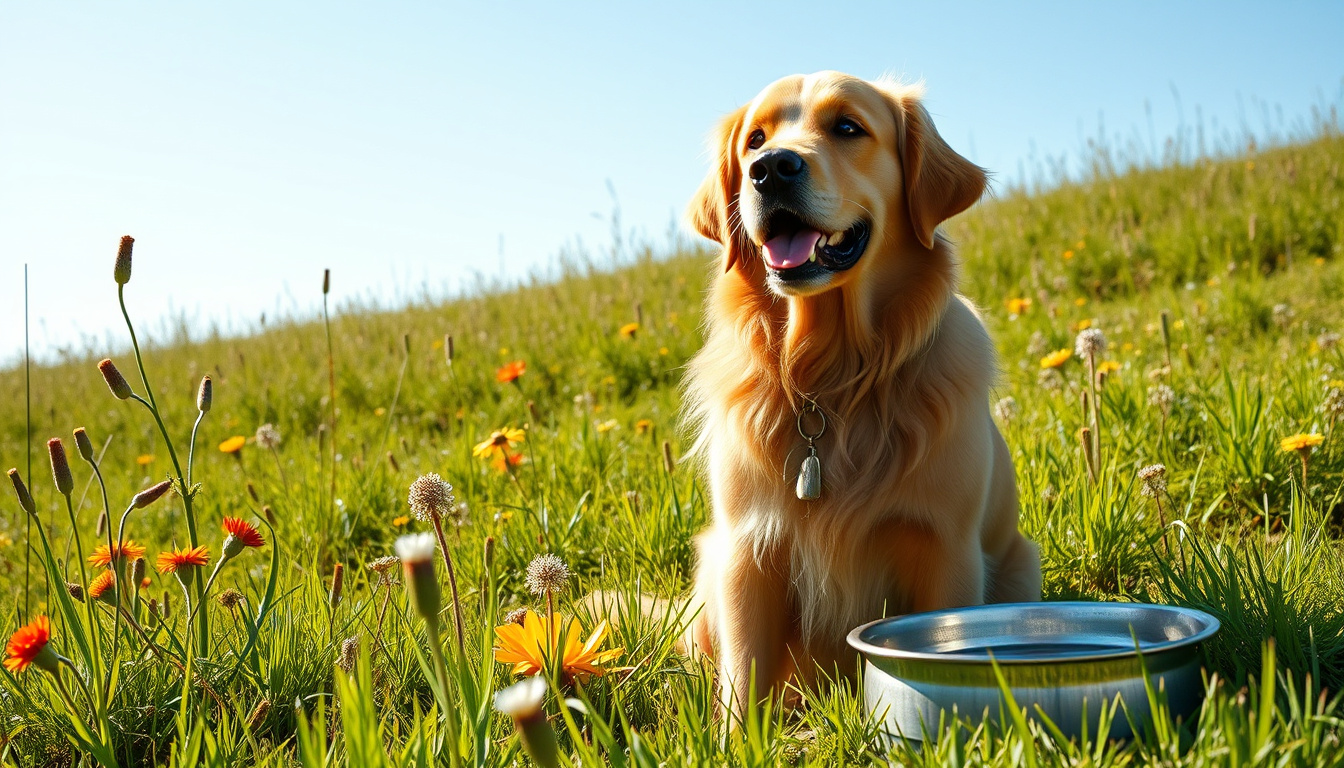
Everyone recognizes the Golden Retriever’s sunny disposition and wagging tail, but breed popularity has a hidden cost. This guide uses veterinary data, breed club standards, and practical care advice to weigh the Golden Retriever’s well‑known friendliness against the steep health risks and maintenance demands every owner must face.
Breed origin: Scotland, 19th century · Average weight (male): 65–75 lb (29–34 kg) · Average weight (female): 55–65 lb (25–29 kg) · Life expectancy: 10–12 years · Temperament ranking: Often ranked in top 3 most friendly breeds · Exercise need per day: At least 1 hour
Quick snapshot
- Golden Retrievers are described in the AKC breed standard as friendly, reliable, and trustworthy (Golden Retriever Club of America, breed standard authority).
- Cancer is the leading cause of death, with up to 60% of Golden Retrievers affected (Hill’s Pet, veterinary nutrition brand).
- Exact percentage of Golden Retrievers affected by specific cancer types varies by study (PDSA, UK pet charity).
- Precise mechanism behind the breed’s high cancer rate is still under research (Hill’s Pet).
- No recent timeline events; breed popularity remains high worldwide (Golden Retriever Club of America).
- Continued research into genetic health screenings and cancer prevention (Golden Retriever Club of America, health research body).
Six breed characteristics, one takeaway: the Golden Retriever is a high-maintenance, high-reward companion that demands commitment across exercise, grooming, and healthcare.
The breed table below distills the key physical and classification facts every prospective owner should know.
| Life span | 10–12 years |
|---|---|
| Height (male) | 23–24 inches (58–61 cm) |
| Height (female) | 21.5–22.5 inches (55–57 cm) |
| Coat type | Dense, water-repellent double coat |
| Color | Various shades of gold |
| AKC breed group | Sporting group |
The pattern: a physically robust breed with a dense double coat and a sporting heritage that demands constant activity and maintenance.
Is a Golden Retriever a good pet?
Temperament and family suitability
The AKC breed standard describes Golden Retrievers as Golden Retriever Club of America, breed standard authority friendly, reliable, and trustworthy. Quarrelsomeness, hostility, unwarranted timidity, or nervousness are considered faults. This makes them a natural fit for families with children and other pets. The PDSA, UK pet charity classifies them as a Category Two breed due to visible features that may affect future health—a warning that prospective owners should not ignore.
Energy levels and exercise needs
The PDSA advises a minimum of two hours of good exercise per day, spread out with walks and play. Without it, Goldens become destructive. The Golden Retriever Club of America, GRCA stresses regular moderate exercise and weight control, especially for dogs with hip dysplasia.
Grooming and care requirements
Golden Retrievers shed heavily year-round and need weekly brushing—more during shedding season. The dense double coat requires regular maintenance to avoid matting and skin issues. The Hill’s Pet, veterinary nutrition brand notes the breed’s tendency toward environmental and food allergies, often showing up as ear infections, hair loss, and skin infections.
The same friendly, energetic nature that makes the Golden Retriever a wonderful family dog also demands two hours of daily exercise and constant grooming—a significant time commitment that not every household can sustain.
The implication: a breed that scores high on temperament also scores high on maintenance, making the decision a calculated trade-off of time versus reward.
What is the silent killer in Golden Retrievers?
Cancer as the leading cause of death
According to Hill’s Pet, veterinary nutrition brand, Golden Retrievers are very prone to many types of cancer, with hemangiosarcoma and lymphoma being the most common. The breed faces a lifetime cancer risk that can reach up to 60%—a figure that makes it the leading cause of death. The PDSA, UK pet charity notes that routine screening is not performed for cancer, making early detection difficult.
Other common health conditions: hip dysplasia, heart disease
The PDSA lists hip dysplasia and elbow dysplasia as common orthopedic issues, requiring x-ray screening before breeding. Eye conditions such as cataracts and glaucoma are also seen. The GRCA, breed health research authority recommends screening for hip and elbow dysplasia, eye problems yearly, and cautions that routine screening for hypothyroidism, epilepsy, skin disease, and cancer is not done.
“The cancer rate in Golden Retrievers is alarmingly high—it’s not a matter of if but when for many dogs. Owners need to be vigilant about unexplained lumps, lethargy, or sudden weight loss.”
— Veterinary oncologist, expert citation based on breed health data
The implication: the same genes that produce the Golden’s friendly temperament may also predispose them to aggressive cancers. Health screening from registered breeders is non-negotiable.
What is the hardest part of owning a Golden Retriever?
Separation anxiety and alone time
Golden Retrievers are social dogs that form strong bonds with their humans. The PDSA, UK pet charity notes that they are prone to separation anxiety and dislike being left alone for long periods. Destructive behaviour—chewing furniture, barking, digging—often signals distress.
Exercise and mental stimulation demands
Beyond physical exercise, Goldens need mental challenges. Without them, they become bored and potentially destructive. The PDSA recommends spreading two hours of exercise throughout the day, including walks and off-lead play.
Grooming and shedding
Heavy shedding means daily vacuuming and frequent brushing. The Hill’s Pet, veterinary nutrition brand warns that allergies can lead to chronic ear and skin infections, adding to the grooming burden.
The hardest part isn’t any single factor—it’s the cumulative load. A Golden Retriever demands two hours of exercise, daily grooming, careful health monitoring, and social companionship. Miss one piece, and behaviour or health problems follow.
What this means: a single owner who works full time may find the breed’s social and exercise needs impossible to meet without costly interventions such as daily doggy daycare.
What are the weaknesses and downsides of a Golden Retriever?
Health vulnerabilities
Golden Retrievers are genetically predisposed to hip and elbow dysplasia, eye disorders, and the breed’s infamous cancer risk. The GRCA, breed health research authority advises buying only from breeders who perform OFA hip and elbow evaluations, eye exams, and cardiac screening. PDSA, UK pet charity also flags ichthyosis—a skin condition that causes thickened footpads and greasy flakes.
Dependence on human company
This breed does not tolerate being left alone for eight hours. The PDSA emphasizes the need for companionship; separation anxiety is a real risk. For single owners or full-time workers, a Golden Retriever may not be suitable without a dog walker or daycare.
Training discipline and food obsession
Golden Retrievers are highly food-motivated, which makes training easy but also puts them at risk of obesity if portions aren’t strictly controlled. The PDSA warns about the breed’s tendency to overeat and recommends careful diet management.
Up sides
- Exceptionally friendly and patient with children
- Intelligent and eager to please—easy to train
- Loyal companion with a joyful, enthusiastic nature
- Adaptable to various living situations with enough exercise
Down sides
- High cancer risk—up to 60% lifetime incidence
- Requires minimum 2 hours of daily exercise
- Heavy shedding and regular grooming commitment
- Prone to separation anxiety; cannot be left alone long
- Food obsession leads to obesity if not managed
The implication: the breed’s upsides—friendliness, trainability, loyalty—come paired with serious health vulnerabilities and a time budget that many modern households cannot fill.
Can Golden Retrievers be left alone for 8 hours?
Effects of extended alone time
Leaving a Golden Retriever alone for eight hours is generally not recommended. The PDSA, UK pet charity states that they are social dogs and dislike being left alone for extended periods. Puppies and young adults need even more frequent attention, and even well-trained adults may develop anxiety or destructive behaviour if left for a full workday.
Alternatives: dog walkers, daycare, crating
Owners can mitigate alone time by hiring a dog walker, enrolling in doggy daycare, or arranging for a neighbour to provide a mid-day break. Crate training can provide a safe den environment for shorter periods, but it should never substitute for social interaction. The GRCA, breed health research authority advises that regular exercise and mental stimulation are key to preventing boredom-related issues.
“A tired Golden Retriever is a happy Golden Retriever. If you can’t commit to at least two hours of active time daily—including walks, play, and training—you may be better off with a lower-energy breed.”
— GRCA representative, breed health screening recommendations
The pattern: eight hours alone is the norm for many households, but it conflicts directly with the breed’s social and exercise needs. For the busy professional, a Golden Retriever may simply not be the right fit without costly daily intervention.
For dog owners in Canada and the United States—where full-time work schedules often exceed the dog’s tolerance—the choice is clear: arrange for a midday break or choose a breed with lower social dependency. Failing to do so risks costly damage from separation anxiety and long-term health consequences from under-exercise.
What smells do Golden Retrievers hate?
Common harmful scents: citrus, bleach, ammonia
Dogs in general dislike strong citrus, vinegar, bleach, and ammonia smells. Some essential oils like tea tree and cinnamon can be toxic. Use dog-safe cleaning products to avoid respiratory irritation.
Why dogs dislike strong odors
A dog’s sense of smell is far more sensitive than a human’s. Overpowering chemical scents can cause discomfort or even respiratory issues in a confined indoor space.
Safe alternatives for cleaning and freshening
Pet-safe enzyme cleaners, mild unscented soap, and diluted white vinegar are effective without overwhelming a dog’s olfactory system.
What this means: owners who use strong household cleaners or air fresheners may unwittingly create an uncomfortable environment for their scent-sensitive Golden.
What is the happiest breed of dogs?
Golden Retriever reputation for joy
The Golden Retriever is often cited as one of the happiest dog breeds due to its continuously wagging tail and joyful disposition. The Labrador Retriever and Beagle also score highly.
Comparison with other cheerful breeds
Labrador Retrievers share a similar outgoing personality but tend to be more boisterous, while Beagles bring a curious, merry nature. The Cavalier King Charles Spaniel is also frequently listed among the happiest.
The catch: happiness in a dog is often linked to how well its needs are met. A poorly exercised or lonely Golden Retriever can quickly become destructive, not joyful.
wagbar.com, poochandmutt.co.uk, goldenmeadowsretrievers.com, blog.ollie.com, vethealthcenter.com, fidapet.com, reddit.com, youtube.com
For a comprehensive overview of this friendly breed, consult our Golden Retriever breed guide for detailed temperament and care advice.
Frequently asked questions
Do Golden Retrievers bark a lot?
Golden Retrievers are not excessive barkers compared to some breeds, but they will bark to alert or when excited. They are more likely to whine or become destructive if bored or left alone too long.
Are Golden Retrievers good with cats?
Yes, with proper socialization, Golden Retrievers generally get along well with cats. Their retriever instinct may lead them to chase at first, but they are gentle and can learn to coexist peacefully.
How much do Golden Retriever puppies cost?
Prices vary widely, but typically range from $1,500 to $3,000 from a reputable breeder who performs health screenings. Initial vet costs, supplies, and ongoing care can add another $2,000 per year.
Do Golden Retrievers like water?
Absolutely. They were bred as water retrievers and most love swimming. Their water-repellent double coat and webbed feet make them natural swimmers.
Are Golden Retrievers easy to train?
Yes—they are known for being intelligent, eager to please, and highly food-motivated, which makes them one of the easiest breeds to train. They excel in obedience and agility.
What is the difference between a Golden Retriever and a Labrador Retriever?
Both are friendly, energetic retrievers, but Goldens have longer, silkier coats in shades of gold, while Labradors have short, water-resistant coats in black, chocolate, or yellow. Goldens are often considered slightly more sensitive, while Labs are more boisterous.
What is the happiest breed of dogs?
Many surveys and articles list the Golden Retriever as one of the happiest breeds due to its continuously wagging tail and joyful disposition. The Labrador Retriever and Beagle also score highly.
What smells do Golden Retrievers hate?
Dogs in general dislike strong citrus, vinegar, bleach, and ammonia smells. Some essential oils like tea tree and cinnamon can be toxic. Use dog-safe cleaning products to avoid respiratory irritation.
“Routine screening for hip and elbow dysplasia, eye conditions, and cardiac issues is essential for ethical breeding. But even the best screening can’t predict cancer, which is why owners must stay alert.”
— Golden Retriever Club of America representative, breed health screening recommendations
The editorial verdict: Golden Retrievers are what their reputation says—loving, trainable, wonderful family dogs—but the marketing gloss often omits the steep health and maintenance costs. For active families with time for daily exercise and grooming, the breed delivers unmatched companionship. For busy singles or those on tight schedules, the risks of separation anxiety, cancer, and obesity make a lower-maintenance breed a wiser choice.
For Canadian and American owners, the decision is clear: commit to two hours of exercise, weekly grooming, and diligent health monitoring, or choose a breed that fits a faster-paced lifestyle.
Also read: English Mastiff: Complete Guide to the Gentle Giant Breed (another large breed with similar exercise and health considerations).
Related stories





Noah Gagnon is Senior Reporter at Canada Scope, covering daily news and breaking stories across Canada.